Menggabungkan Pengontrol Pompa Tenaga Surya dengan Sistem Irigasi Otomatis
The convergence of renewable energy and precision agriculture is forging a new paradigm in farming practices worldwide. At the heart of this transformation lies the integration of solar pump controllers with automated irrigation systems. This synergy represents far more than a simple technological upgrade; this synergy embodies a holistic approach to addressing the intertwined challenges of water scarcity, energy costs, and the need for sustainable food production. By combining the free, abundant power of the sun with intelligent, sensor-based water delivery, these integrated systems are turning the dream of fully autonomous, eco-friendly, and highly efficient farms into a tangible reality.
Understanding the Core Components
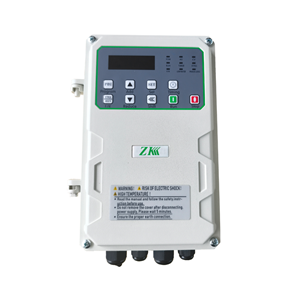
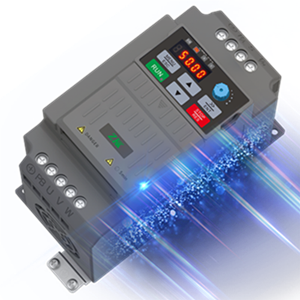
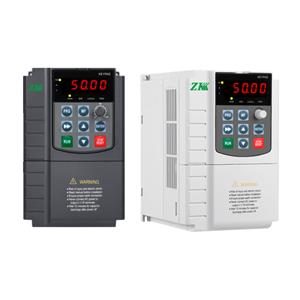
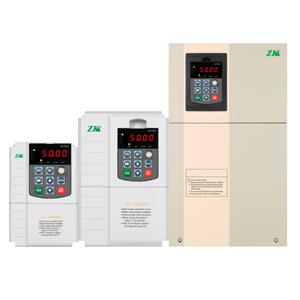
To appreciate the power of the integration of solar pump controllers with automated irrigation systems, it is essential to understand the two primary components of the integration of solar pump controllers with automated irrigation systems. The first component is the solar pump controller, often referred to as a solar pump inverter or drive. The solar pump controller acts as the brain of the solar water pumping system. The solar pump controller converts the variable direct current electricity generated by solar photovoltaic panels into a stable alternating current to power a standard water pump. Crucially, the solar pump controller utilizes Maximum Power Point Tracking technology to continuously optimize the energy harvested from the solar photovoltaic panels, ensuring maximum water output from sunrise to sunset regardless of fluctuating sunlight. Modern solar pump controllers are robust, featuring high weather resistance, and modern solar pump controllers often come with built-in intelligence for system protection and data logging.
The second component of the integration of solar pump controllers with automated irrigation systems is the automated irrigation system. The automated irrigation system replaces manual valve operation and timer-based schedules with a dynamic, responsive infrastructure. The core elements of the automated irrigation system include a network of soil moisture sensors, weather stations, flow meters, and electronically controlled solenoid valves. These components of the automated irrigation system are linked to a central control unit—which can be a local programmable logic controller, a dedicated irrigation controller, or even a cloud-based platform—that executes irrigation strategies based on real-time data. The goal of the automated irrigation system is to deliver the precise amount of water, at the right time, only where water is needed.
The Architecture of the Integration of Solar Pump Controllers with Automated Irrigation Systems
The true innovation lies in how the solar pump controller and the automated irrigation system are seamlessly merged. The solar pump controller is no longer an isolated unit; the solar pump controller becomes a fully integrated node within the broader irrigation control network of the automated irrigation system. The integration of solar pump controllers with automated irrigation systems is typically achieved through standard communication protocols like RS485 and Modbus, which allow the irrigation controller of the automated irrigation system to communicate directly with the solar pump controller. In this setup, the irrigation controller of the automated irrigation system serves as the master, making high-level decisions. When the logic of the automated irrigation system—based on data from soil moisture sensors—determines that a specific irrigation zone requires watering, the automated irrigation system sends a signal to the solar pump controller. The solar pump controller then not only activates the water pump but also modulates the speed of the water pump to maintain optimal pressure and flow for the specific irrigation zone, a capability known as variable frequency drive control.
The integration of solar pump controllers with automated irrigation systems extends to the management of irrigation zones. Advanced solar pump controllers can interface directly with multiple solenoid valves of the automated irrigation system, acting as a central hub that manages both the water pump and the distribution network of the automated irrigation system. For instance, a solar pump controller might be programmed to open solenoid valves for different field sections sequentially, ensuring that the water pump operates within the optimal efficiency range of the water pump rather than trying to irrigate the entire field at once, which would require a much larger and more expensive water pump and solar photovoltaic array.
Intelligent Control Strategies and Remote Management Enabled by the Integration of Solar Pump Controllers with Automated Irrigation Systems
The integration of solar pump controllers with automated irrigation systems unlocks a host of sophisticated control strategies that move irrigation from a scheduled chore to a precision science. Instead of irrigating on a fixed timer, the automated irrigation system can employ feedback control using soil moisture sensors. When the moisture level in an irrigation zone drops below a predefined threshold, the automated irrigation system automatically initiates an irrigation cycle and stops once the target level is reached, preventing both under- and over-watering. More advanced automated irrigation systems incorporate feed-forward control by integrating local weather data. If rain is forecast, the automated irrigation system can delay a scheduled irrigation, thereby conserving water and preventing nutrient runoff.
Selain itu, integrasi teknologi Internet of Things (IoT) telah merevolusi pengelolaan sistem irigasi otomatis. Petani tidak perlu lagi hadir secara fisik untuk mengoperasikan sistem irigasi otomatis. Melalui aplikasi seluler khusus atau dasbor berbasis web, petani dapat memantau data real-time tentang kondisi tanah dari sensor kelembaban tanah, status pompa air dari pengontrol pompa surya, aliran air dari meteran aliran sistem irigasi otomatis, dan produksi energi dari panel fotovoltaik surya dari mana saja di dunia. Visibilitas jarak jauh ini memungkinkan intervensi tepat waktu, pemecahan masalah yang cepat, dan pengambilan keputusan berbasis data yang mengoptimalkan penggunaan air dan energi. Peringatan dapat dikirim langsung ke ponsel petani jika sensor kelembaban tanah mendeteksi kebocoran, pompa air mengalami kerusakan, atau kelembaban tanah turun ke tingkat kritis.
Dampak Nyata Integrasi Pengontrol Pompa Tenaga Surya dengan Sistem Irigasi Otomatis dan Prospek Masa Depan untuk Integrasi Pengontrol Pompa Tenaga Surya dengan Sistem Irigasi Otomatis
Manfaat integrasi pengontrol pompa tenaga surya dengan sistem irigasi otomatis telah terbukti di lapangan, mulai dari lahan penelitian skala kecil hingga pertanian komersial besar. Proyek-proyek telah menunjukkan bahwa irigasi cerdas bertenaga surya yang memanfaatkan integrasi pengontrol pompa tenaga surya dengan sistem irigasi otomatis dapat menghasilkan penghematan air yang signifikan dan peningkatan hasil panen. Di wilayah seperti Sahel di Afrika, sistem irigasi otomatis tersebut memberikan kemandirian energi, membebaskan petani dari ketergantungan pada bahan bakar diesel yang mahal dan berpolusi. Di tempat-tempat seperti Hainan, Cina, proyek-proyek skala besar yang didukung pemerintah sedang menerapkan jaringan irigasi cerdas tanpa karbon, yang menunjukkan bagaimana integrasi pengontrol pompa tenaga surya dengan sistem irigasi otomatis dapat menjadi landasan pertanian modern dan berkelanjutan. Penelitian akademis lebih lanjut memvalidasi integrasi pengontrol pompa tenaga surya dengan sistem irigasi otomatis, menunjukkan kelayakan sistem yang sepenuhnya otonom yang menggabungkan energi terbarukan dengan kontrol berbasis data untuk aplikasi pertanian di luar ruangan dan bahkan di dalam ruangan.
Ke depan, integrasi pengontrol pompa tenaga surya dengan sistem irigasi otomatis akan semakin mendalam. Kita dapat mengharapkan adopsi luas sistem irigasi otomatis hibrida yang secara cerdas beralih antara tenaga surya, baterai, dan listrik jaringan untuk memastikan keandalan 24/7. Kombinasi integrasi pengontrol pompa tenaga surya dengan sistem irigasi otomatis dan teknik pemanenan air akan menciptakan sistem irigasi otomatis yang benar-benar tertutup dan mandiri sumber daya. Lebih lanjut, integrasi pengontrol pompa tenaga surya dengan sistem irigasi otomatis dan pemupukan presisi akan memungkinkan injeksi pupuk otomatis berdasarkan kebutuhan tanaman secara real-time, mengoptimalkan pengiriman air dan nutrisi. Seiring dengan penerapan kecerdasan buatan dan pembelajaran mesin pada kumpulan data yang sangat besar yang dihasilkan oleh sensor kelembaban tanah dan komponen lain dari sistem irigasi otomatis, sistem irigasi otomatis akan berevolusi dari reaktif menjadi prediktif, mengantisipasi kebutuhan air tanaman beberapa hari sebelumnya.
Kesimpulannya, integrasi pengontrol pompa tenaga surya dengan sistem irigasi otomatis menandai lompatan signifikan bagi pertanian. Integrasi pengontrol pompa tenaga surya dengan sistem irigasi otomatis merupakan contoh kuat bagaimana desain cerdas dapat menciptakan sistem yang lebih besar daripada gabungan bagian-bagiannya. Dengan menggabungkan energi bersih dengan teknologi presisi, integrasi pengontrol pompa tenaga surya dengan sistem irigasi otomatis menyediakan jalur yang praktis, terukur, dan layak secara ekonomi menuju masa depan di mana produksi pangan selaras dengan lingkungan, memastikan keamanan air dan pangan untuk generasi mendatang.